

The Best Way To Split Firewood On The Farm
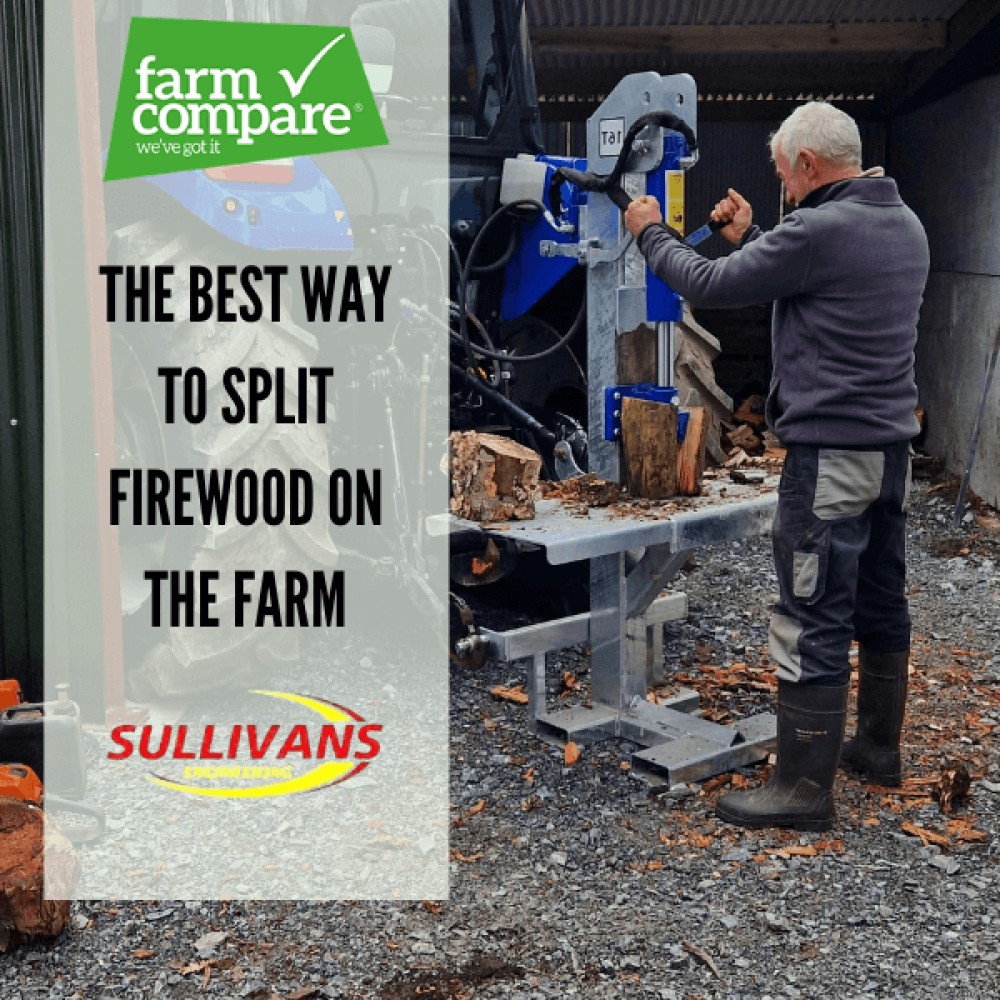
Choosing the Right Hydraulic & Towable Log Splitter
For many Irish and UK farmers and contractors, firewood remains a reliable, cost-effective source of heat. Whether it’s for the house, sheds, or a firewood business, having the right log splitter makes all the difference between an easy job and a long, back-breaking one.
Speaking farmer to farmer, this guide looks at the best system for splitting firewood, what really matters when buying a splitter, and how to choose between a 13-tonne hydraulic log splitter, a 16-tonne hydraulic log splitter, or a 16-tonne towable log splitter.
The Best Method & System for Splitting Firewood
On a working farm or contracting job, efficiency comes down to keeping things simple and practical:
1. Prepare timber properly
-
Cut logs to stove or boiler length early
-
Season timber where possible – dry wood splits cleaner and quicker
2. Use hydraulic power, not hard labour
Once you’re splitting more than the odd barrow load, hydraulic log splitters are the only sensible option. They’re faster, safer, and far easier on the body.
3. Match the machine to how you work
This is where choosing between 13-tonne, 16-tonne, or towable really matters.
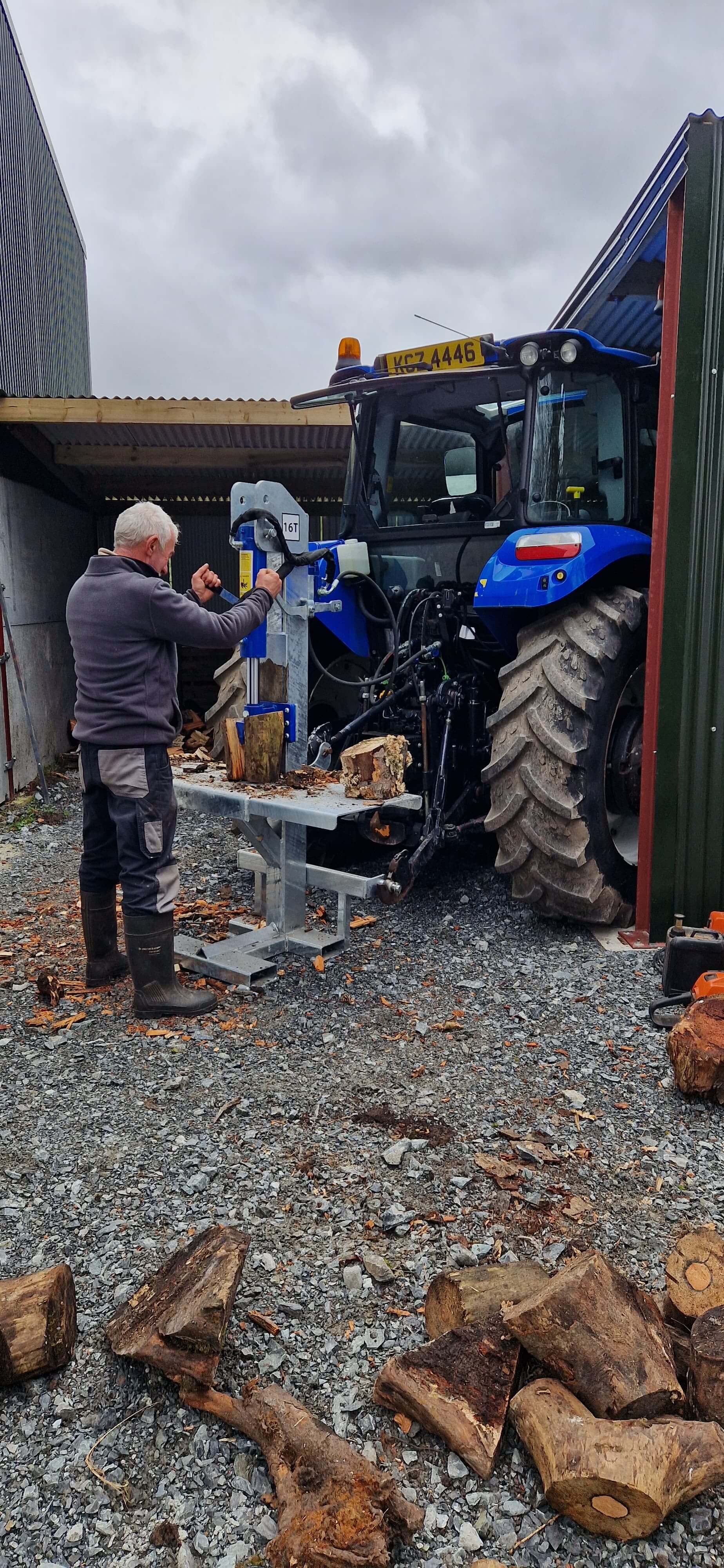
13-Tonne Hydraulic Log Splitter – Ideal for Everyday Farm Use
A 13-tonne hydraulic log splitter is a solid choice for most farms:
-
Handles softwood and standard hardwood with ease
-
Perfect for regular firewood for the house or sheds
-
Faster cycle times for steady, ongoing use
-
Simple, reliable, and economical to run
If you’re mainly splitting ash, spruce, or similar timber, a 13-tonne machine will do the job all day long.
16-Tonne Hydraulic Log Splitter – Extra Power When You Need It
If you’re dealing with tougher timber, a 16-tonne hydraulic log splitter gives that extra bit of muscle:
-
Ideal for hardwoods like oak or beech
-
Powers through knotty or oversized rounds
-
Suited to higher volumes of timber
-
Popular with larger farms and part-time contractors
This option is all about power and reliability when conditions aren’t perfect.
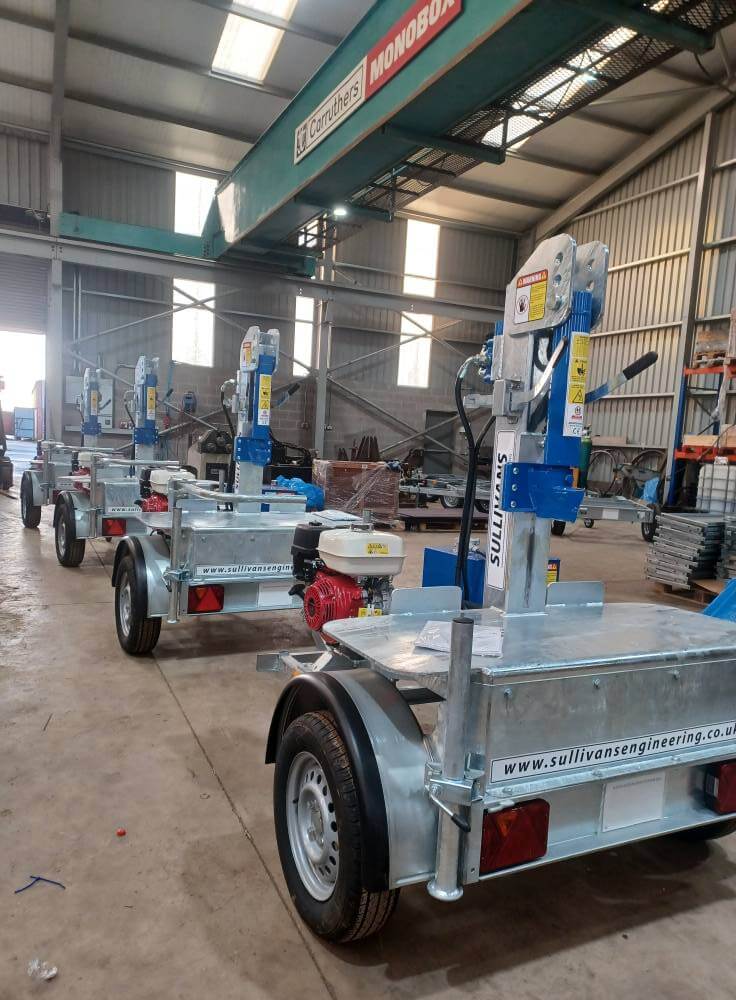
16-Tonne Towable Log Splitter – Built for Mobility & Contracting
For contractors or farmers working in multiple locations, the 16-tonne towable log splitter is hard to beat:
-
Fully towable behind a jeep or tractor
-
Engine-driven – no PTO required
-
Work directly at forestry sites, hedgerows, or customer yards
-
Cuts down handling, loading, and wasted time
With 16 tonnes of splitting force, it has the power of a yard-based machine with the freedom to go wherever the timber is.
Key Considerations Before Buying a Log Splitter
Before making a decision, it’s worth thinking about:
🔧 Splitting Force
Choose enough power for the toughest timber you’ll regularly split.
🚜 Power & Mobility
-
Fixed hydraulic splitters for yard work
-
Towable models for flexibility and contracting
🪵 Ease of Use
Horizontal or vertical operation, stable frames, and smooth hydraulics all matter on long days.
🛠 Build Quality
Heavy-duty steel, protected hoses, and proper safety features make a big difference over time.
Proven Machines Built for Real Farm Work
Sullivans Engineering hydraulic log splitters are built for Irish and UK conditions, offering:
-
13-tonne hydraulic log splitters for everyday farm use
-
16-tonne hydraulic log splitters for tougher timber
-
16-tonne towable log splitters for mobile and contracting work
At Farm Compare, we work directly with trusted suppliers like Sullivans Engineering to make sure you’re matched with the right machine for your needs, not just the cheapest option.
View the full Sullivans Engineering log splitter range here:
👉 Sullivans Log Splitter Range
Why Buy Through Farm Compare?
Farmer to farmer, here’s why it makes sense:
-
✅ Personalised, free quotes tailored to your workload
-
✅ Access to 13-tonne, 16-tonne, and 16-tonne towable models
-
✅ Delivery direct to your yard or job site
-
✅ Save time ringing multiple suppliers
-
✅ Straight-talking advice from people who understand farming
Farm Compare will source the right log splitter and keep the process simple.
Ready to Get Set Up?
If you’re splitting timber this season, now’s the time to invest properly.
👉 Check out Farm Compare for more info and your free quote
🔗 Sullivans Log Splitter Range
Or call us directly for your free, personalised quote. 📞 07739043235
We’ll help you choose between a 13-tonne hydraulic, 16-tonne hydraulic, or 16-tonne towable log splitter, and get it delivered straight to your yard.
Practical kit. Straight advice. Built for real farm work. 🚜🌲
© 2026 Farm Compare Ltd. All rights reserved| T&Cs | Privacy policy | Website by Reflex Studios

This website was developed with support from Priority 6 (LEADER) of the Northern Ireland Rural Development Programme 2014-2020 by the Department of Agriculture, Environment and Rural Affairs and the European Agricultural Fund for Rural Development: Europe investing in rural areas