

Winter Farming 2026: 11 Practical Ways to Save Time, Cut Costs & Prepare Your Farm
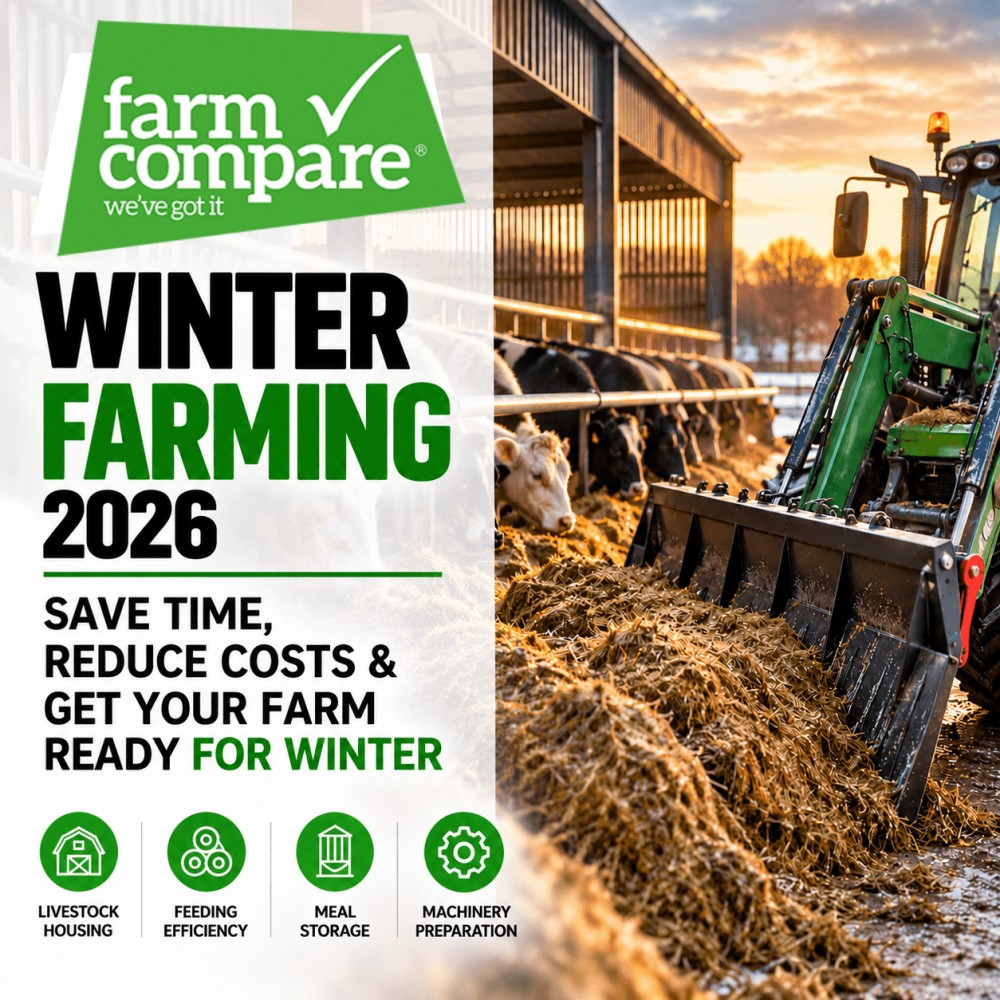
As the evenings draw in, temperatures begin to drop and ground conditions change, October is a crucial time for farmers across the country
From housing livestock and managing winter feeding to maintaining machinery and preparing yards for wetter weather, the coming months bring plenty of challenges.
With input costs continuing to put pressure on farm profitability, finding ways to save time, reduce waste and work more efficiently is more important than ever.
At Farm Compare, we understand that farmers need practical, reliable equipment that earns its keep.
Here are 11 ways to prepare your farm for winter, along with machinery and equipment that could help make the months ahead a little easier.
1. Get Your Livestock Housing Winter-Ready
For many beef and dairy farmers, October signals the beginning of the winter housing season.
Before cattle come indoors, it's worth checking that sheds, feeding areas and water systems are ready for the months ahead.
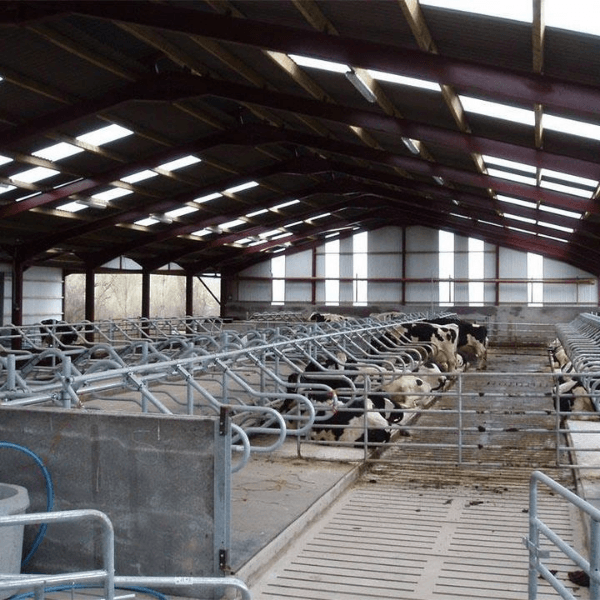
Your winter housing checklist:
-
Inspect slats, gates, barriers and pen divisions for damage.
-
Check water drinkers are clean and working correctly.
-
Ensure sheds have adequate ventilation without excessive draughts.
-
Clean and prepare feeding passages.
-
Check slurry storage capacity and drainage.
-
Assess cubicles and bedding areas for comfort and cleanliness.
Good housing conditions support animal welfare, help reduce avoidable health problems and make daily livestock management easier.
For farmers considering improvements to livestock housing, Farm Compare highly recommends agricultural housing solutions from Creagh Concrete cubicles and slats.
2. Make Winter Feeding More Efficient
Winter feeding is one of the biggest daily commitments on a livestock farm.
Once cattle are housed, farmers become increasingly dependent on silage, meal and other stored feeds.
With feed representing a significant proportion of winter production costs, reducing waste and improving efficiency can make a real difference.
Practical feeding tips:
-
Test silage quality to help plan suitable winter rations.
-
Ensure all livestock have adequate access to feed.
-
Check feeders and feeding barriers for damage.
-
Keep feed passages clean and accessible.
-
Review how much time is spent transporting and distributing feed.
For farmers transporting and distributing feed, Walter Watson feeding trailers offer a practical solution.
Available in different sizes and configurations, these trailers can help streamline feeding operations and reduce unnecessary handling.
Handling silage bales is another regular winter job.
JM Agri & Sullivans Engineering offer a practical equipment to move and position bales, helping farmers work more efficiently while minimising unnecessary handling.
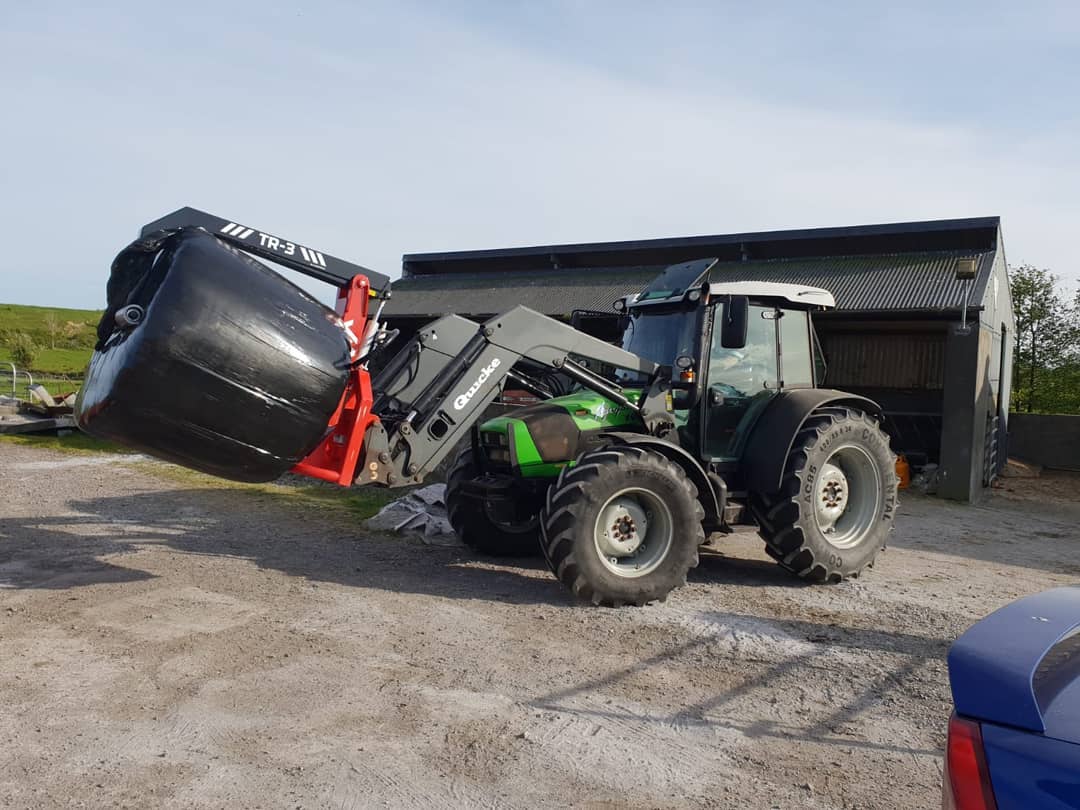

The aim is simple: less time spent on repetitive feeding jobs and more time available for managing livestock.
3. Reduce Feed Waste with Better Meal Storage
With livestock spending more time indoors during winter, meal consumption can increase considerably.
For farmers feeding concentrates regularly, keeping meal dry, secure and easily accessible is essential.
Poor feed storage can lead to moisture contamination, spoilage, vermin problems and unnecessary waste.
Even relatively small feed losses can add up over an entire winter housing season.
A few practical feed storage tips:
-
Keep meal protected from rain and moisture.
-
Regularly inspect storage areas for leaks or damage.
-
Prevent rodents and birds from accessing stored feed.
-
Check that feed can be discharged safely and efficiently.
-
Monitor meal usage to help manage feeding costs.
-
Plan deliveries to avoid unnecessary shortages.
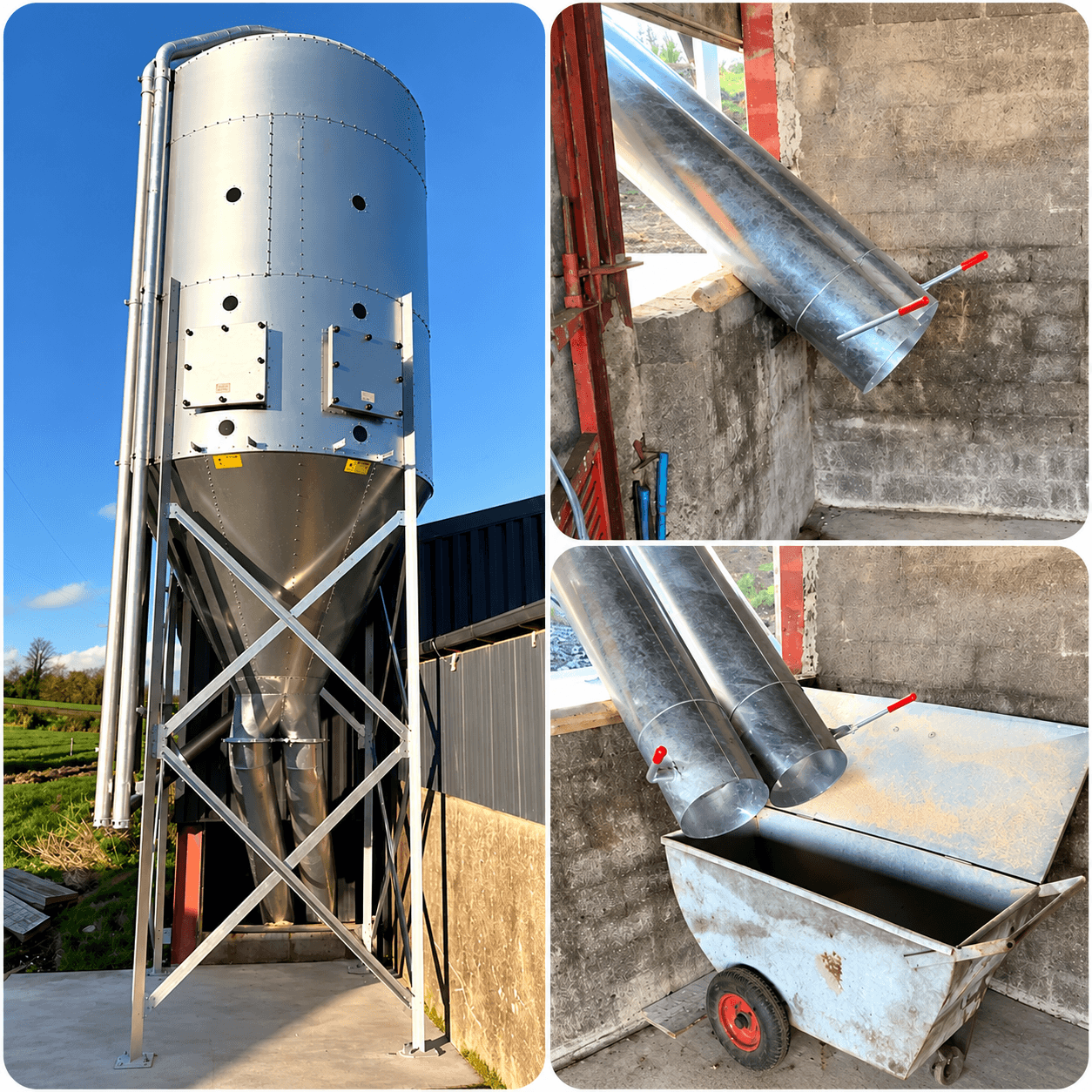
RobLew Meal Silo Bins – Practical Feed Storage for Busy Farms
For farmers looking to improve their meal storage arrangements, RobLew Meal Silo Bins, provide a practical solution.
Purpose-designed meal bins can help farmers store bulk feed more efficiently while keeping it protected from the elements.
Benefits of suitable bulk meal storage include:
-
Helping protect feed from rain and moisture.
-
Reducing the need for handling individual feed bags.
-
Providing convenient access to stored meal.
-
Helping maintain a tidier, more organised feeding area.
-
Supporting efficient bulk feed deliveries.
-
Reducing unnecessary feed handling during busy winter months.
For farms feeding meal daily, having a suitable storage system can make a noticeable difference to the feeding routine.
Farm Compare tip: Before investing in a meal bin, consider your herd size, daily meal usage, available yard space and delivery access. Choosing the right capacity and location can make feeding more efficient throughout the year.
4. Stop Wasting Time Pushing Silage Back to Cattle
Anyone who has housed cattle knows how quickly silage gets pushed away from the feeding barrier.
It's one of those small, repetitive jobs that can take up valuable time every day throughout the winter.
Keeping silage within reach helps ensure cattle have continued access to feed and can support more consistent feeding routines.
The Sullivans Silage Pusher, available through Farm Compare, is a practical addition to winter feeding equipment.
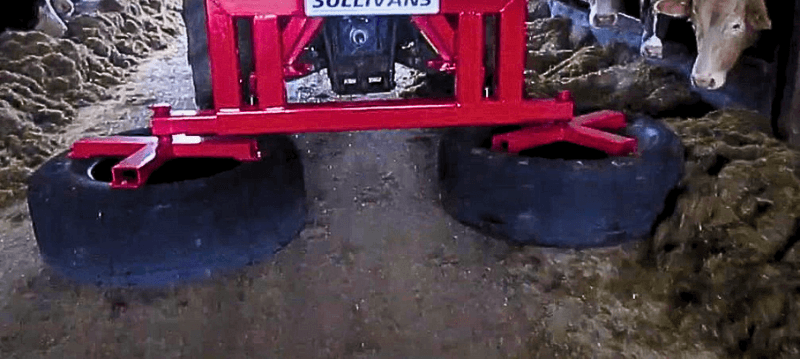
It can help farmers:
-
Push silage back within reach of housed livestock.
-
Reduce repetitive manual work.
-
Keep feeding passages more manageable.
-
Improve the efficiency of daily feeding routines.
-
Save valuable time during the busy winter months.
When you're feeding cattle every day for several months, even a few minutes saved on each job can add up.
Farm Compare tip: If you're regularly spending time pushing silage back to cattle, investing in a suitable silage pusher could make your daily feeding routine considerably easier.
5. Spot Livestock Health Problems Earlier This Winter
Winter housing brings cattle into closer contact, making animal health monitoring particularly important.
Changes in feeding behaviour, rumination, activity and body temperature can sometimes indicate that an animal needs attention.
But when you're managing a busy farm, subtle changes aren't always easy to spot.
smaXtec – Know What's Happening Inside Your Cow
smaXtec uses innovative internal monitoring technology to provide farmers with valuable information about individual animals.
Depending on the system and features used, smaXtec can provide insights into:
-
Internal body temperature.
-
Changes in rumination and drinking behaviour.
-
Potential health problems.
-
Heat detection and fertility.
-
Calving-related changes.
-
Herd monitoring and smartphone alerts.
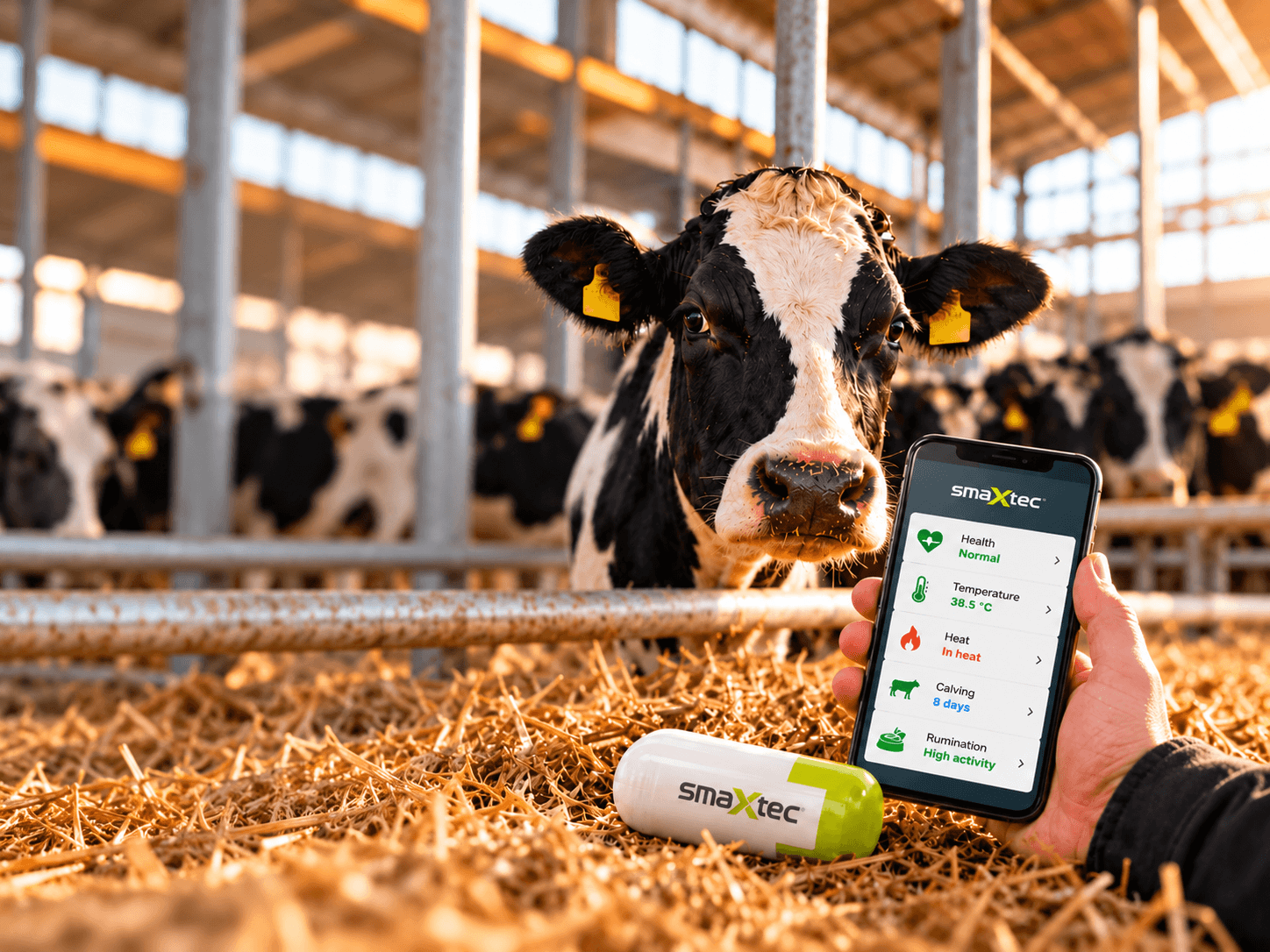
This additional information can help farmers identify changes earlier and make better-informed herd management decisions.
While technology will never replace good stockmanship, it can provide valuable support during the demanding winter housing period.
Farm Compare tip: Winter is a good time to review whether livestock monitoring technology could help improve herd management and reduce the risk of health problems going unnoticed.
6. Make Sure Your Livestock Trailer Is Ready for Winter
Whether you're transporting cattle to the mart, collecting purchased livestock or moving animals between farms, a reliable livestock trailer is essential.
As roads become wetter and daylight hours shorten, regular trailer maintenance becomes even more important.
Before travelling, check:
-
Tyres, pressures and tread condition.
-
Brakes and suspension.
-
Lights and electrical connections.
-
Loading ramps, hinges and catches.
-
Flooring and internal partitions.
-
Couplings and safety equipment.
Always ensure livestock are transported safely and within the trailer's permitted weight and loading limits.
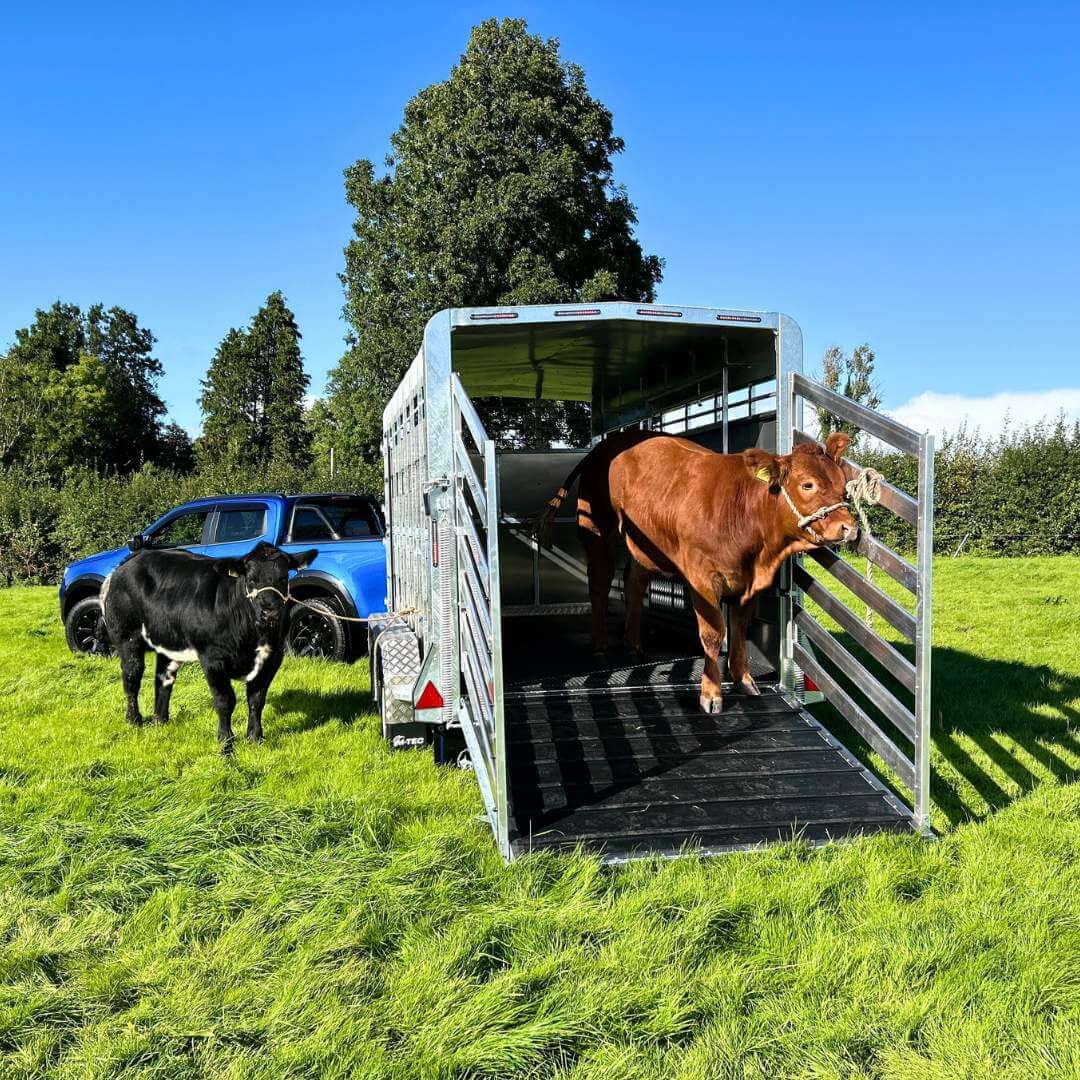
M-TEC Livestock Trailers
At Farm Compare, we offer the M-TEC livestock trailer range, including:
-
12ft x 6ft Twin Axle
-
12ft x 6ft Tri Axle
-
14ft x 6ft Tri Axle
Built for demanding agricultural use, these trailers offer robust construction and practical livestock-handling features.
Depending on the model and specification, options include sheep decks, dividing gates, cow comfort floor, 7ft high models and beefy flaps.
If your existing trailer is showing its age, autumn is a sensible time to consider whether an upgrade would improve reliability, safety and efficiency.
7. Get Ahead of Autumn Hedge Cutting & Farm Maintenance
October is a useful time to tackle overgrown hedges, gateways and farm access routes before winter conditions make outdoor work more difficult.
Good visibility and clear access are particularly important when moving tractors, trailers and machinery during darker mornings and evenings.
In Northern Ireland and the Republic of Ireland, routine agricultural hedge cutting is generally permitted from 1 September until the end of February, subject to wildlife protections and any additional scheme restrictions.
Autumn maintenance jobs worth considering:
-
Cutting back overgrown hedges where appropriate.
-
Improving visibility around farm entrances.
-
Maintaining gateways and access routes.
-
Clearing vegetation obstructing farm tracks.
-
Checking roadside hedges for potential hazards.
For farmers and agricultural contractors carrying out regular hedge maintenance, Major hedge-cutting equipment offers a practical solution.
The right machinery can help make hedge maintenance more manageable and improve efficiency when tackling overgrown vegetation.
Remember to check for protected wildlife before cutting and consider leaving suitable sections of hedge uncut to provide valuable winter food and shelter for birds.
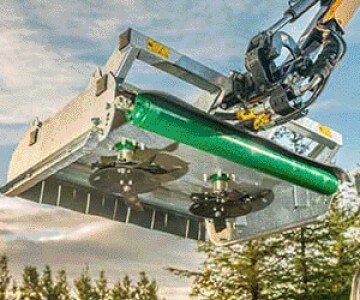
Farm Compare tip: Planning hedge maintenance before the worst winter weather arrives can help reduce disruption and keep access routes in better condition.
8. Keep Farm Yards & Tracks in Good Condition
Wet weather can quickly turn damaged farm lanes, gateways and yards into difficult working areas.
Potholes, poor drainage and muddy access routes can slow down everyday jobs and increase wear on machinery.
October is a good opportunity to complete essential maintenance before conditions deteriorate.
Jobs worth tackling include:
-
Repairing damaged farm lanes.
-
Filling potholes and maintaining gateways.
-
Clearing blocked drains and water channels.
-
Removing accumulated muck and waste.
-
Moving stone and hardcore for yard improvements.
For farmers and contractors regularly transporting bulk materials, the Kenwell 10T Dropside Tipping Trailer is designed for demanding agricultural work.
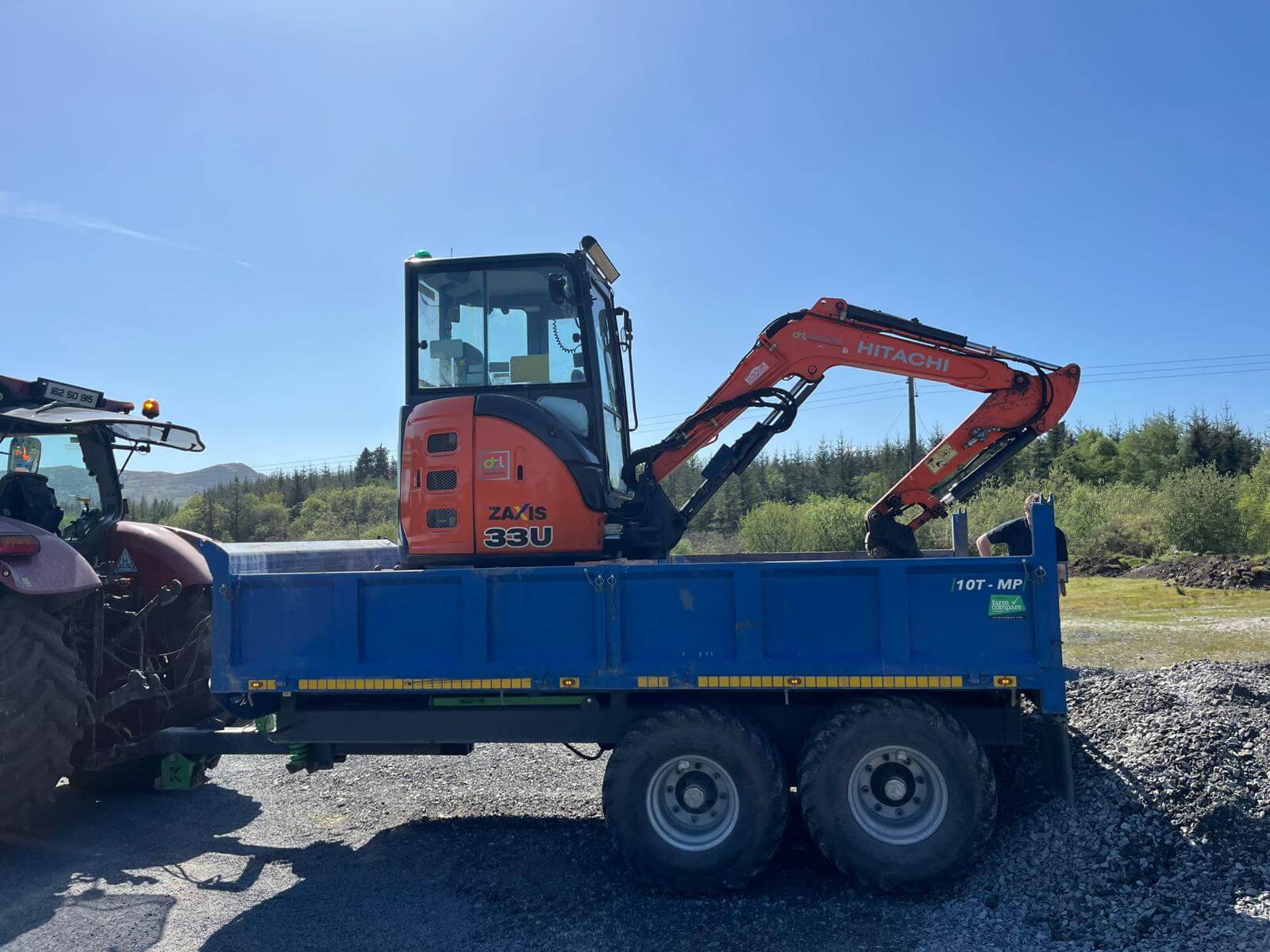
With its robust chassis, heavy-duty construction and practical tipping body, it's suited to a wide range of jobs, including muck shifting, moving aggregates and general farm maintenance.
A dependable tipping trailer can be a valuable investment for farms carrying out regular yard improvements, drainage work and material transport.
Farm Compare tip: Tackling maintenance jobs now could help prevent small problems from becoming bigger and more expensive during winter.
9. Get Your Firewood Prepared Before the Cold Weather
With many farmers and rural households relying on oil-fired central heating, wood-burning stoves are a popular way to provide additional warmth and help reduce oil consumption during the colder months.
As temperatures begin to drop, autumn is an ideal time to check firewood supplies and prepare for the winter ahead.
Having a good supply of properly seasoned logs ready to burn can help keep the stove going on chilly evenings without relying entirely on oil heating.
A few practical firewood tips:
-
Split logs into suitable sizes for your wood-burning stove.
-
Store timber off the ground to prevent moisture absorption.
-
Allow plenty of airflow around stacked logs to help them dry.
-
Protect firewood from rain while maintaining good ventilation.
-
Check moisture levels before burning, ideally aiming for 20% or less for a cleaner, more efficient burn.
Preparing firewood in advance means you'll have a convenient supply ready when temperatures drop, helping you make the most of your stove throughout the winter.
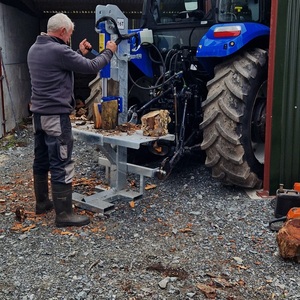
Available through Farm Compare, Sullivans Log Splitters provide a practical option for farmers, rural homeowners and anyone regularly processing firewood.
Using a suitable log splitter can reduce the physical effort involved in preparing timber and make processing larger quantities more manageable.
Whether you're splitting logs for your own use or processing firewood regularly, reliable equipment can help save time and effort.
Remember that freshly cut timber generally requires considerable drying time before it's suitable for burning, so preparing wood now may be an investment in a future heating season.
10. Don't Let Machinery Breakdowns Disrupt Winter Work
There's never a convenient time for machinery to break down, but a breakdown on a dark, wet morning when livestock need feeding can be particularly frustrating.
Preventative maintenance is one of the simplest ways to reduce avoidable downtime.
Your autumn machinery checklist:
-
Check tractor batteries and electrical systems.
-
Inspect hydraulic hoses and connections.
-
Grease moving components.
-
Check trailer brakes, tyres and lights.
-
Inspect loader attachments and locking mechanisms.
-
Review machinery storage and protection.
-
Make sure yard lighting is working correctly.
It's also worth checking machinery that may be used less frequently during winter.
A little preventative maintenance now could save considerable time, inconvenience and repair costs later.
11. Invest in Equipment That Will Earn Its Keep
With farm input costs continuing to put pressure on profitability, every machinery purchase deserves careful consideration.
The most valuable equipment isn't necessarily the biggest or most expensive.
It's the equipment that makes everyday jobs easier, safer and more efficient.
Before investing, ask yourself:
Will it save time?
Equipment that reduces repetitive daily work can free up valuable hours throughout the year.
Will it reduce waste?
Better feeding, handling and storage systems can help minimise avoidable losses.
Will it improve safety?
Reliable trailers, handling equipment and properly maintained machinery can help create safer working conditions.
Will it be used regularly?
Machinery that earns its keep throughout the year may represent better value than equipment used only occasionally.
Could finance help manage the investment?
For eligible customers, machinery finance may provide an option to spread the cost of equipment, subject to terms, affordability and approval.
At Farm Compare, we help farmers and agricultural contractors find machinery and equipment suited to their individual requirements and budgets.
Get Your Farm Winter-Ready with Farm Compare
Winter farming will always involve early mornings, unpredictable weather and plenty of hard work.
But good preparation, efficient systems and reliable equipment can make the months ahead considerably more manageable.
Whether you're looking to improve livestock feeding, upgrade your trailer, invest in monitoring technology or tackle essential farm maintenance, Farm Compare offers a wide range of practical agricultural equipment.
Explore our range, including:
Planning an equipment upgrade before winter?
Visit www.farmcompare.com to explore our range or contact Farm Compare today to discuss your requirements.
FARM COMPARE – FARMERS SELLING TO FARMERS.

This website was developed with support from Priority 6 (LEADER) of the Northern Ireland Rural Development Programme 2014-2020 by the Department of Agriculture, Environment and Rural Affairs and the European Agricultural Fund for Rural Development: Europe investing in rural areas